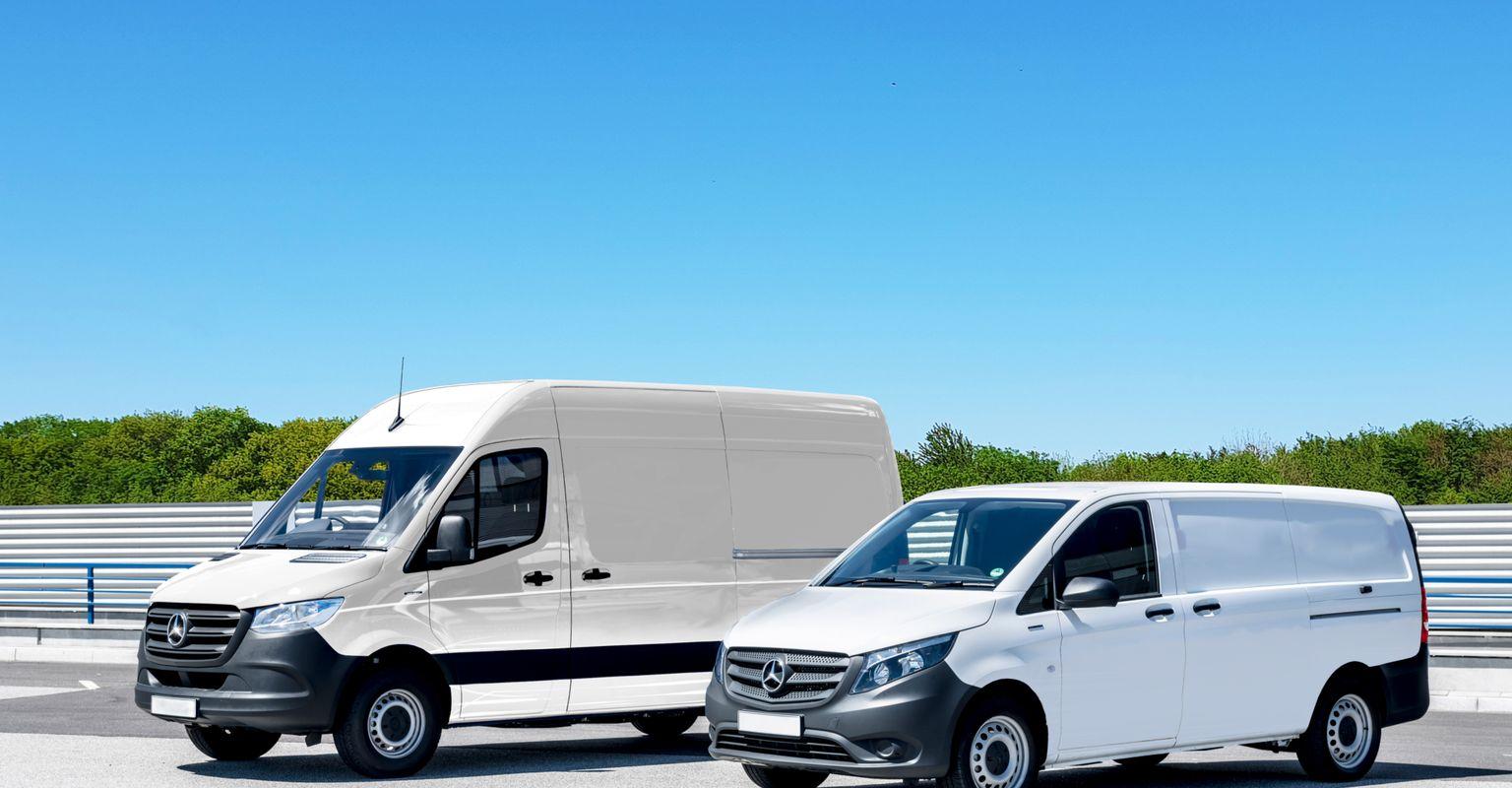
The best van for camper conversion is the smallest sound van that fits your sleeping space, daily routine and loaded weight. Start by comparing the Ducato/Boxer/Jumper or ProMaster for width, the Sprinter, Crafter, Transit and Master for longer layouts, and smaller vans for simpler camping. Plan the interior before buying, then judge individual vans by their condition, service records and an independent inspection.
How to start van life without wasting money
Rent or borrow a camper before shopping for a base van. Try cooking, changing clothes and getting ready for bed in it. A rainy evening tells you more about the layout than a sunny afternoon outside.
Write down five decisions:
- Trips: weekends, extended holidays or full-time living?
- People: how many need belted travel seats and beds?
- Height: must you stand inside, or will seated living work?
- Facilities: indoor cooking, a toilet, a shower or campsite facilities?
- Storage: bikes, work equipment, winter clothes or just camping kit?
Keep separate budgets for buying, immediate mechanical work and the conversion. Do not spend the repair reserve on cabinets.
Before committing to full-time travel, also work out insurance, overnight parking, a mailing address and how you will earn money. Treat the first few trips as tests, not a deadline for building your final home.
Buying a van for camper conversion starts with the layout
Place the bed first. Then fit the kitchen, toilet, storage and a usable walkway around it. Our camper van bed guide helps you compare fixed and convertible beds before choosing a body length.
The Ducato/Boxer/Jumper and ProMaster cargo floors are 187 cm wide, compared with 179 cm for the Sprinter. That makes the wider bodies worth testing first for a crosswise bed. But floor width is not mattress length: wall curvature, insulation and lining all need checking at the actual bed height.
Length decides what remains after the bed goes in:
| Example van | Cargo floor, length × width | Between wheel arches | Overall length |
|---|---|---|---|
| Ducato/Boxer/Jumper L2H2 | 312 × 187 cm | 142 cm | 541 cm |
| Ducato/Boxer/Jumper L3H2 | 370 × 187 cm | 142 cm | 599 cm |
| Sprinter L2H2 RWD | 327 × 179 cm | 135 cm | 593 cm |
| Transit L3H2 | 350 × 178 cm | 139 cm | 598 cm |
| Crafter L3H2 Medium | 345 × 183 cm | 138 cm | 599 cm |
Draw the shower enclosure rather than assuming it fits. Include somewhere to stand after opening the toilet, fridge and cabinet doors. Compare kitchen placements and a pull-out toilet layout before adding more van length.
Use the free camper van floor planner to test your layout before buying. LayoutMyVan runs in your browser without an account. Place furniture around the wheel arches, sliding door and cab, then open the plan in 3D. It does not calculate weight or cost.
Which is the best van to convert to camper?
Use this as a shortlist, not a reliability ranking. Drive options depend on year, market and specification. FWD means front-wheel drive; RWD means rear-wheel drive; AWD means all-wheel drive.
| Base van | Shortlist it for | Drive layout | Layout strength | Main buying check |
|---|---|---|---|---|
| Mercedes Sprinter | A lengthways bed and substantial storage | RWD; selected 4WD/AWD versions; some European VS30 FWD | Long floor-plan options | Body condition and engine-specific leak checks. |
| VW Crafter / MAN TGE | A large European build | Crafter II/TGE: FWD, RWD or AWD | Several long-body choices | Generation, drivetrain and recall history. |
| Ducato / Boxer / Jumper | Testing a crosswise-bed layout first | FWD in the usual panel-van specification | 187 cm cargo-floor width | Scuttle drainage and exact engine. |
| Ram ProMaster | A wide US-market layout | FWD | 187 cm cargo-floor width | Transmission identification and VIN recalls. |
| Ford Transit | Comparing several body and drive combinations | Europe: FWD/RWD/AWD; US: RWD/AWD, depending on year | Useful middle-sized and long layouts | European EcoBlue belt records or US recall completion. |
| Renault Master III | Comparing another large European base | FWD or RWD | Multiple floor lengths | Service history and fuel-pipe campaign status. |
| VW T5/T6/T6.1 | A compact camper with convertible furniture | FWD; selected 4MOTION versions | Smaller living-space brief | Engine code, especially CFCA on facelift T5s. |
| Citroën Jumpy | A compact sleeping and cooking setup | Normally FWD | Smaller footprint | Exact diesel and emissions-system history. |
For more floor sizes, use our van interior dimensions comparison. Shortlist two or three candidates, then overlay their floors and compare the same furniture layout. LayoutMyVan can overlay up to three vans, including a van entered with your own measurements.
Best used van for camper conversion: known issues to check
A known problem is an inspection prompt, not a reason to reject an entire model. Match the engine, generation and production date. A repair invoice should identify the work, parts and mileage, not simply say “engine sorted.”
Mercedes Sprinter
On W906 Sprinters, 2006–2018, fitted with the OM642 3.0-litre V6 diesel, oil-cooler seal leaks are widely reported. Mercedes documents oil around the heat exchanger in the engine’s inner V in its technical bulletin; a Sprinter repair specialist independently describes the same repair.
Ask the inspector to identify the source of any oil, rather than accepting a guessed diagnosis. Request the seal-replacement invoice if the seller says it has been repaired.
That history belongs to the V6 only. On any W906, have the underside, sills and body seams checked for rust, and on vans with AdBlue ask for a diagnostic scan of the emissions system. The four-cylinder W906 and the later VS30 (2018 on) need their own research: search Sprinter-Source for the engine code and model year.
VW Crafter / MAN TGE
The 2006–2016 Crafter shared its basic platform with the Sprinter but used VW engines. The 2017-on Crafter II and MAN TGE belong to VW’s own platform. Research them separately. The distinction is confirmed in the TÜV commercial-vehicle report.
For Crafter II vans built in 2017–2019, including 2.0 TDI versions, check factory-glazing campaign 64F8. This is a body issue, not an engine defect: affected side or rear windows could detach. The European recall notice describes it. Ask VW to check the VIN; do not assume every Crafter or TGE is included.
Fiat Ducato / Peugeot Boxer / Citroën Jumper or Relay
On X250 vans, 2006–2014, particularly early Ducato 2.3 Multijet examples, water entering around the windscreen scuttle and collecting around injectors is widely reported. This owner report on The FIAT Forum describes leaking scuttle seals and rusty water around the injectors, and the forum has many more like it.
Inspect beneath the bonnet after rain. Ask a mechanic to check drainage, injector recesses and electrical connections. On an X290, inspect the same areas rather than assuming the facelift removes the need.
Confirm engine and gearbox from the documents. Similar bodywork does not make every badge mechanically identical.
Ram ProMaster
For the first-generation US ProMaster, specifically 2019–2021 vans with the 3.6-litre gasoline V6 and 62TE automatic, check recall 23V-301, also referenced as 44A/61A. Debris could prevent full Park engagement and allow the van to roll. The NHTSA acknowledgement and the manufacturer's repair instructions document it. Owners discuss the van year by year on the ProMaster Forum.
Ask for completed-recall paperwork and transmission repair records. Have an inspector assess engagement and shifting cold and warm. Recall counts alone are not a useful way to rank model years.
Ford Transit
On European 2016–2023 Transit and Transit Custom vans with the 2.0 EcoBlue diesel, wet timing-belt wear is a documented concern. Ford’s service bulletin 24-7042 reduced the belt, tensioner and idler interval to six years or 100,000 miles/160,000 km, whichever comes first. Roy Wood Transits corroborates the revised interval.
Unsuitable oil can contribute to belt deterioration, as Schaeffler’s technical notice explains. Request invoices showing the oil specification, not just service stamps. Confirm the latest schedule for that VIN with Ford.
For US 2015–2017 Transits, including affected 3.2 diesel, 3.5 EcoBoost and 3.7 gasoline configurations, check driveshaft flexible-coupling recall 19S38. Ask for proof of the permanent repair, not only an earlier interim coupling replacement. Ford’s recall instructions explain the distinction.
Renault Master III
For Master III 2.3 dCi diesels built from September 23, 2014 to September 27, 2023, check fuel-pipe campaign 0EC1. Contact between the diesel pipe and wiring harness could cause wear and a fuel leak. The French government recall notice describes it.
Ask Renault for VIN confirmation and the completion record. Have any fuel smell or visible leakage assessed before driving. Do not assume a campaign automatically applies to a related-badge van.
VW T5 / T6
The facelift T5, model years 2010–2015, with the 180 PS 2.0 BiTDI CFCA engine, is known for high oil consumption and engine damage associated with EGR-cooler deterioration. Promobil’s buying investigation explains the mechanism; Auto Bild and auto motor und sport cover the same engine (all three in German).
Ask for oil-use records, cooler-replacement details and any replacement-engine invoice. Let a specialist decide whether further engine tests are needed. A newer cooler alone is not evidence of the engine’s present condition. Do not apply the CFCA warning to every T5 or T6 diesel.
Citroën Jumpy / Peugeot Expert / Toyota Proace
For 2016–2020 Jumpy/Expert-generation vans with BlueHDi diesels, including the 2.0, AdBlue tank-system faults are widely reported. Stellantis acknowledges urea-tank issues on certain Euro 6 SCR vehicles manufactured through August 2020, and car-recalls.eu reports on the consumer organisations that asked for a free fix.
Ask for diagnostic results and tank or pump repair invoices. For a related Proace, confirm engine-specific campaigns and support with Toyota rather than assuming Stellantis coverage applies.
What to look for when buying a used van
Take this checklist to each viewing. Book an independent commercial-vehicle inspection before committing; confirm that it includes the underside, corrosion and a road test. Inspection packages differ, as the AA’s checklist shows.
- Identity and history: match the VIN to the documents. Check ownership, finance, theft and damage history through the appropriate local services. Request itemised maintenance invoices.
- Previous work: ask about courier rounds, short trips, motorway work, towing and long periods parked. Judge ex-fleet and private vans by evidence, not the seller category.
- Rust: inspect sills, wheel arches, seams, underside, spring mounts and roof gutters. Ask the inspector to distinguish surface corrosion from structural repairs.
- Cold start: arrange for the engine to be cold. Note starting behaviour, smoke, noises and warning lights, then leave diagnosis to the inspector.
- Diagnostics: request a manufacturer-capable scan for stored faults. On relevant diesels, ask the specialist to assess DPF and AdBlue data. Save the report.
- Water: inspect the cab floor, cargo floor, roof seams, door seals and existing window openings. Look beneath removable mats.
- Recalls: check by VIN and request repair records. A clean US VIN lookup does not display completed recalls or every service campaign.
- Conversion fit: stand inside while allowing for your planned floor and ceiling. Tape out furniture and door openings. Decide if a panel van or window van better matches your privacy, glazing and cabinet plans.
- Loaded weight: obtain an actual weighbridge weight and check gross and axle limits. Budget weight for furniture, batteries, water, passengers and luggage. Gross vehicle weight is the loaded limit, not spare payload.
- European travel: check the official rules for each intended low-emission zone. Euro 6 is the diesel standard for vans within London ULEZ’s relevant weight category, not a blanket guarantee for every European city.
Read our van conversion layout mistakes before accepting a van that only just fits your drawing.
How many miles is too many for a used van?
Do not use one mileage cutoff for every engine and working life. Instead, ask the inspector for three lists: work needed now, scheduled maintenance coming next, and faults needing further investigation.
Then add those jobs to the purchase decision. Missing invoices mean uncertainty, not proof that maintenance happened. Equally, a replacement engine does not renew the gearbox, suspension or body.
Choose the van whose condition and near-term work you understand. If buying it leaves no repair reserve, reconsider the budget or the build specification.
Where to research a van before you buy
| Resource | Best use |
|---|---|
| r/vandwellers and r/VanLife | Daily life in a van, what people regret, and honest answers to "which van should I buy" threads. Search before you ask. |
| Sprinter-Source | Mercedes Sprinter (and the 2006–2016 Crafter, which shares its body): faults by generation and engine, diagnostic tools. |
| Ford Transit USA Forum | US Transit from 2015: recalls, leaks, drivetrain, and many conversion threads. |
| fordtransit.org | UK and European Transits of every generation, including the 2.2 TDCi and 2.0 EcoBlue. |
| ProMaster Forum | Ram ProMaster: transmission, electrical faults and camper builds. |
| The FIAT Forum | Ducato section: owner reports, repairs and the scuttle leak fixes. Most of it applies to the Boxer and Jumper/Relay body too. |
| T6 Forum and VW California Club | VW T5, T6 and T6.1: engine codes, oil consumption threads, camper-specific faults. |
| Honest John Vans | UK reviews of each van with a list of reported faults and recalls. |
| NHTSA recalls | US: recalls by VIN. A model search also shows owner complaints and the manufacturer's service bulletins. |
| CarComplaints | US: complaints, recalls and bulletins sorted by model year, quick for comparing years. |
| UK MOT history and UK recall check | Free, by number plate: mileage at every test, what failed, what the tester warned about (rust shows up here), open safety recalls. |
| car-recalls.eu | Recalls across the EU by make and model, from the EU's Safety Gate alerts. |
| KBA recall database | Germany: official recalls (in German). |
| TÜV commercial-vehicle report | Germany: what vans fail their inspection for, by model and age (PDF, in German). |
Search engine code + model year + symptom, then look for diagnosis, repair invoices and follow-up posts. A thread ending with “try this” is not a confirmed fix. Use forum findings to brief your inspector, not replace one.
FAQ
What is the best van for camper conversion?
Start with the layout. Compare the wider Ducato-family vans or ProMaster for crosswise sleeping, larger bases for longer interiors, and compact vans for simpler camping. Buy the individual van that passes inspection.
How do I start van life?
Borrow or rent first. Test your routine, decide what facilities matter, sketch the interior and keep money aside for mechanical work before buying.
What should I look for when buying a used van?
Prioritise identity, service invoices, corrosion, leaks, cold-start behaviour, diagnostics, recalls and loaded-weight allowance. Get an independent inspection before committing.
Which vans have known problems?
Research exact versions, not badges alone. The engine-specific checks above are starting points; ask for evidence that relevant maintenance, repairs and campaigns were completed.
How many miles is too many for a camper base?
There is no useful universal cutoff. Decide from documented maintenance, the inspection findings, upcoming work and the repair reserve left after purchase.